Things to do in Kensington: palaces, parks, museums and more
A royal palace, two royal parks, three free world-class museums and the Royal Albert Hall: the best things to do in Kensington, with a one-day plan and tips.
Kensington packs more into a square mile than almost anywhere in London. There’s a working royal palace, two of London’s royal parks, three of the world’s great museums (all free), the Royal Albert Hall, and some of the city’s smartest streets for shopping and eating. This guide picks out the best things to do, grouped by area, with a one-day plan, tips for families and ways to save money.
Kensington Palace and its gardens
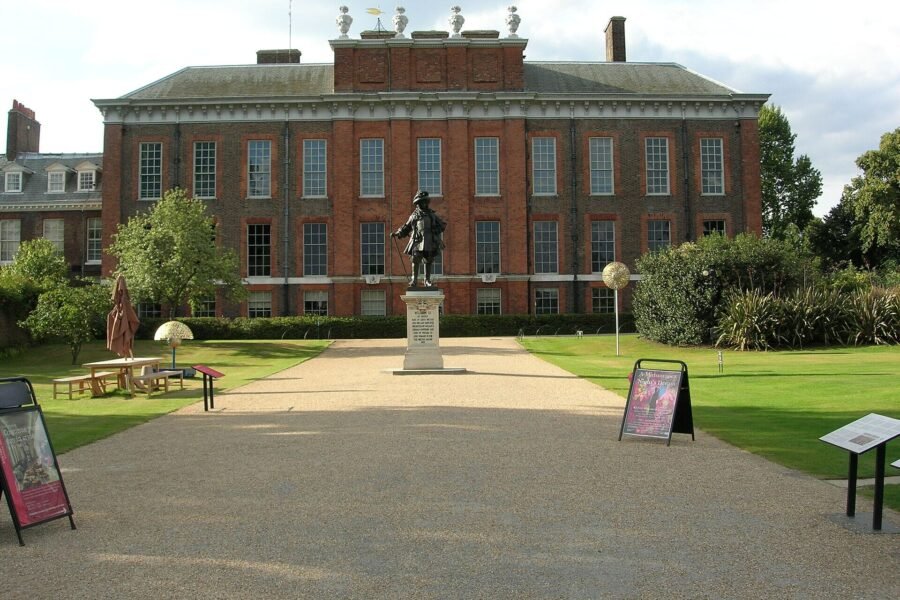
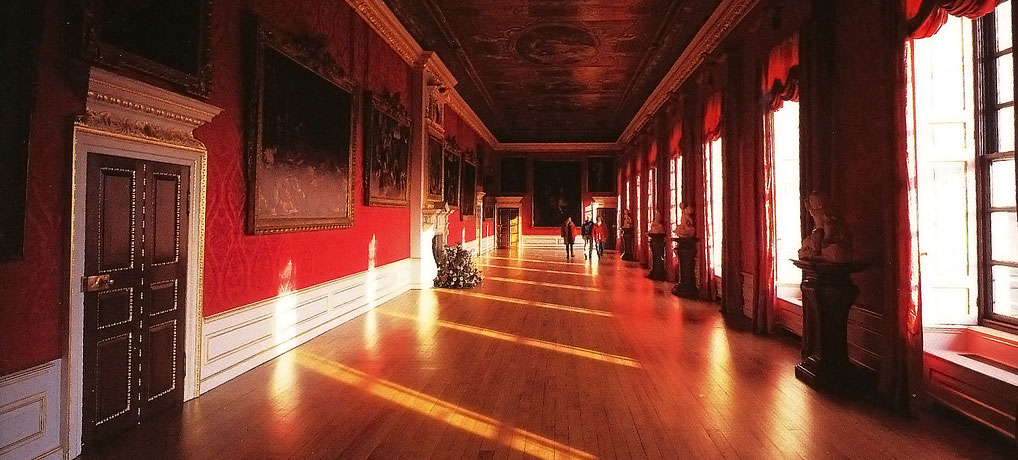
- Kensington Palace. Home to monarchs from William III to George II, birthplace of Queen Victoria and still a royal residence today. Tour the King’s State Apartments, with William Kent’s painted staircase, and the rooms where Victoria grew up. See our ticket guide for this winter’s prices, and who lives at Kensington Palace.
- The statue of Diana in the Sunken Garden, unveiled by Prince William and Prince Harry in 2021. It’s free to visit. Read Diana at Kensington Palace.
- The Cradle Walk, a tunnel of pleached lime trees around the Sunken Garden.
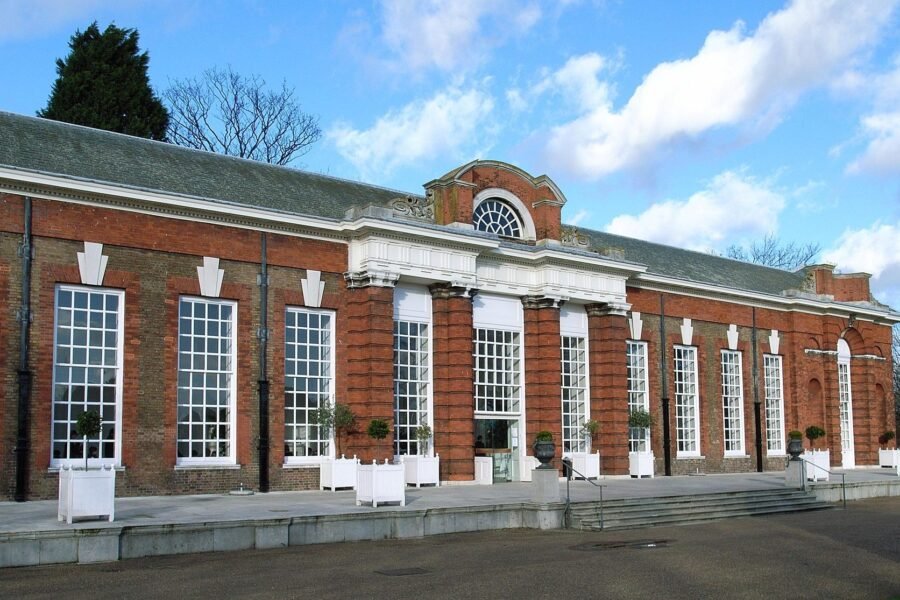
- The Orangery, Queen Anne’s elegant 1704 garden building, now a restaurant serving afternoon tea.
Kensington Gardens
The palace’s park, once its private garden, is now one of London’s eight royal parks. Read our full guide to Kensington Gardens; the highlights are:
- The Peter Pan statue, put up overnight in 1912 by J. M. Barrie so that children would think the fairies had brought it.
- The Italian Gardens, Prince Albert’s fountains at the head of the Long Water.
- The Round Pond, in front of the palace, with swans, geese and model boats.
- The Diana Memorial Playground, with its wooden pirate ship, inspired by Peter Pan.
- The Serpentine Galleries: two free galleries of modern and contemporary art, and a summer pavilion by a different architect each year.
- The Albert Memorial: see below.
Hyde Park
Kensington Gardens runs straight into Hyde Park; the boundary is the Serpentine lake and the road across its bridge.
- The Diana Memorial Fountain, a ring of Cornish granite where you can sit and cool your feet in summer.
- Boating on the Serpentine in a pedalo or rowing boat (spring to autumn), or a summer swim at the Serpentine Lido.
- Speakers’ Corner, at the Marble Arch end, where anyone can stand up and speak, traditionally on Sunday mornings.
The museums of South Kensington
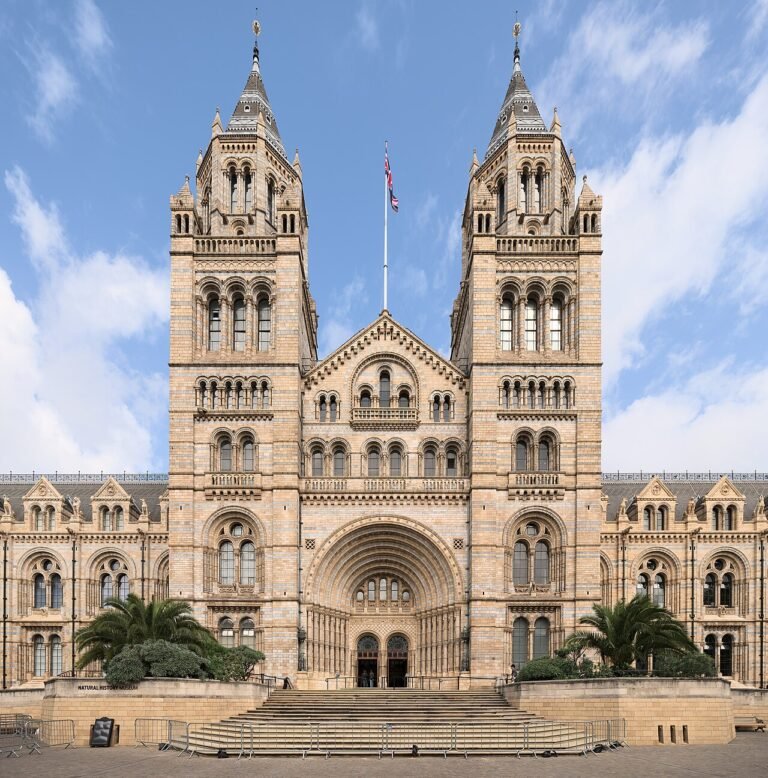
Built with the profits of the Great Exhibition of 1851, the museums of “Albertopolis” line Exhibition Road. All three have free general entry; book a free timed slot online at busy times and expect to pay for special exhibitions.
- The Natural History Museum, in Alfred Waterhouse’s cathedral-like building: dinosaurs, a blue whale skeleton and the earthquake simulator.
- The V&A (Victoria and Albert Museum), the world’s greatest museum of art and design: fashion, jewellery, sculpture and a lovely garden courtyard café.
- The Science Museum, with spacecraft, steam engines and the hands-on Wonderlab (paid).
The Royal Albert Hall and Albert Memorial
- The Royal Albert Hall, opened by Queen Victoria in 1871, home of the BBC Proms every summer. Take a guided tour if you aren’t going to a concert.
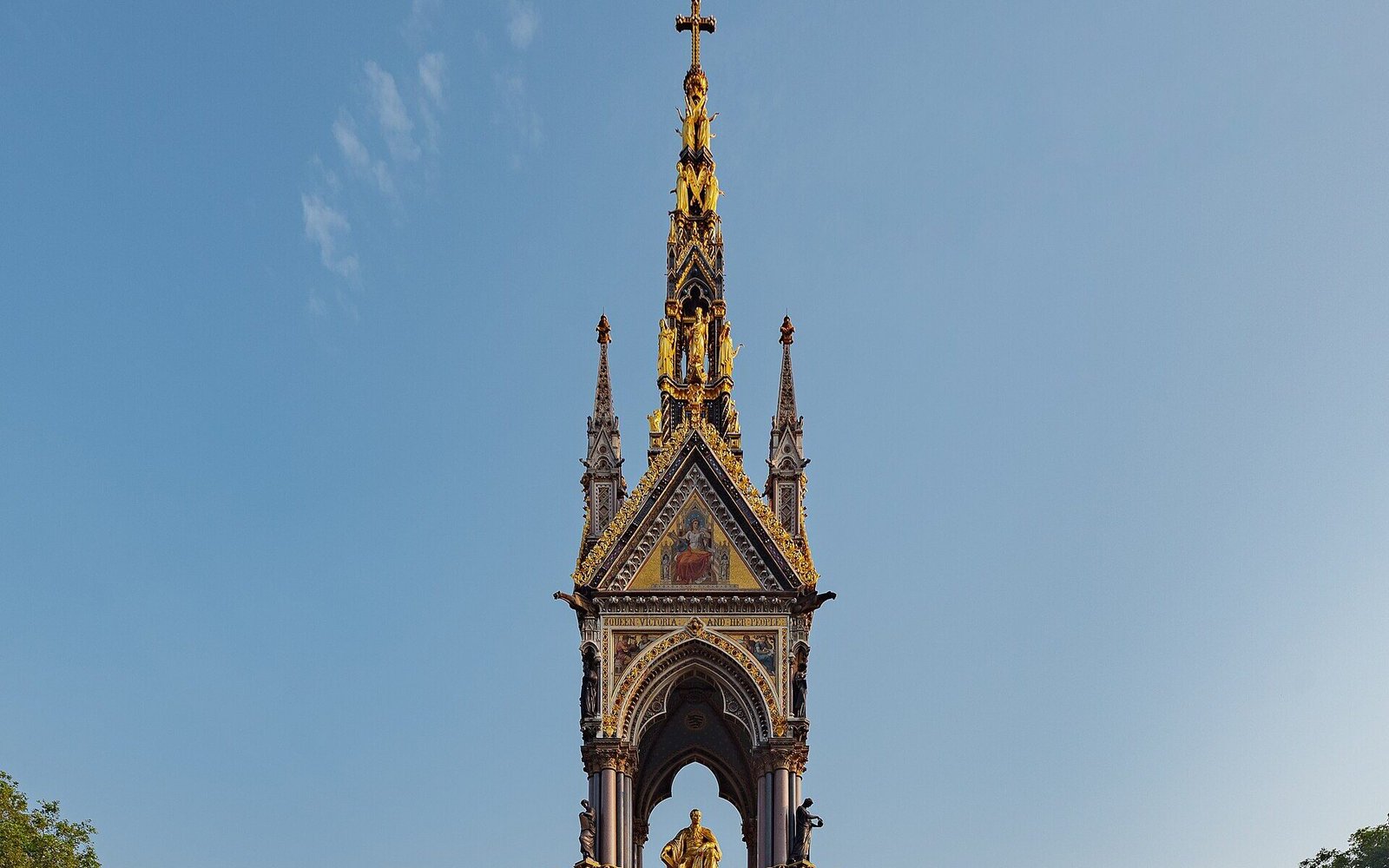
- The Albert Memorial, opposite the hall in Kensington Gardens: Victoria’s gilded, Gothic memorial to her husband, with Albert holding the catalogue of the Great Exhibition.
High Street Kensington and Holland Park
- The Design Museum, on Kensington High Street, with a free permanent display on design.
- Holland Park and its Kyoto Garden, a Japanese garden with a waterfall, koi carp and peacocks.
- Leighton House, the painter Frederic Leighton’s home, with its glittering Arab Hall of tiles and mosaics (ticketed).
- Shopping on Kensington High Street and in the boutiques of Kensington Church Street, known for its antique shops.
Notting Hill and Portobello Road
- Portobello Road Market, a short walk north from Kensington Gardens. Saturday is the big day for antiques; on weekdays it’s a fruit, vegetable and street-food market.
- The pastel houses of Notting Hill, best around Westbourne Grove and Lancaster Road.
Afternoon tea and eating out
- Afternoon tea at the Orangery, beside the palace: see our guide to afternoon tea at Kensington Palace. For something different, a guided walk through royal Kensington with afternoon tea combines the two.
For quick, cheaper food, the museum cafés and the cafés by the Serpentine and the Round Pond are good options, as are the restaurants around South Kensington station.
Kensington with children
- The Diana Memorial Playground (free; adults only with children).
- The Natural History Museum and the Science Museum (free).
- Peter Pan and the nearby Elfin Oak, an old tree stump carved with tiny elves and fairies, beside the playground.
- Boating on the Serpentine in summer, and feeding the swans at the Round Pond.
- At the palace, the rooms of the young Victoria, with toys from her childhood, are part of a normal ticket.
Free things to do in Kensington
Kensington is expensive to live in but cheap to visit. All of these cost nothing:
- The Natural History Museum, the V&A and the Science Museum (general entry).
- The Serpentine Galleries and the summer Serpentine Pavilion.
- Kensington Gardens and Hyde Park, with the Peter Pan statue, the Italian Gardens, the Albert Memorial and the Diana Memorial Fountain.
- The Sunken Garden at Kensington Palace and the statue of Diana.
- Holland Park and the Kyoto Garden.
- The Design Museum’s permanent display.
- Window-shopping on Portobello Road and Kensington Church Street.
Kensington through the year
- Spring: blossom and tulips in the palace gardens and the Sunken Garden, and daffodils across Kensington Gardens.
- Summer: the Serpentine Pavilion opens, the Proms fill the Royal Albert Hall from July to September, boats and the Lido open on the Serpentine, and the parks host big outdoor concerts.
- Autumn: the gardens turn gold, and the museums are quieter once the school holidays end.
- Winter: Christmas lights along Kensington High Street and in Knightsbridge, carols at the Royal Albert Hall, and Winter Wonderland in Hyde Park. Kensington Palace opens fewer days a week in winter; see our ticket guide.
Getting there and around
Kensington is easy to reach by Tube. Use High Street Kensington (District and Circle lines) for the palace and the high street, South Kensington (District, Circle and Piccadilly lines) for the museums, and Queensway or Lancaster Gate (Central line) for the north side of Kensington Gardens. Within the area, walking is the best way to get around: the palace to the museums is about 20 minutes through the park. Several bus routes run along Kensington Road and Kensington High Street, and there are hire-bike docks all over the area.
A one-day plan
- Morning: Kensington Palace when it opens, then the Sunken Garden and the Diana statue.
- Late morning: walk north-east past the Round Pond to the Peter Pan statue and the Italian Gardens.
- Lunch: a café by the Serpentine, then cross into Hyde Park for the Diana Memorial Fountain.
- Afternoon: walk south past the Albert Memorial and the Royal Albert Hall to the museums on Exhibition Road. Pick one; you won’t manage more.
- Tea or evening: afternoon tea at the Orangery, or a concert at the Royal Albert Hall.
Staying longer? Hampton Court, Henry VIII’s palace, is an easy day trip by train from Waterloo: see our sister site’s guide to visiting Hampton Court.
Questions people ask
What is Kensington known for?
Its royal palace, its parks (Kensington Gardens and Hyde Park), the museums of South Kensington and the Royal Albert Hall, and some of London’s most expensive homes.
What is free to do in Kensington?
The parks, the Natural History Museum, the V&A, the Science Museum, the Serpentine Galleries, the Diana Memorial Fountain, the Sunken Garden and the Diana statue.
Is Kensington Palace worth visiting?
Yes, especially for anyone interested in Queen Victoria, Diana or the Georgian court. Allow about two hours.
How do I get to Kensington?
By Tube: High Street Kensington (District and Circle lines), South Kensington (District, Circle and Piccadilly) or Queensway (Central line).
Some links on this page earn us a commission at no extra cost to you. How this site makes money